
You can lose work long before a call ends or a contract goes out. If you’re a coach, consultant, or solo service provider, your proposal, service page, report, or scope document often speaks first. What they say when you’re not there to explain them is often the real decision point.
When those materials create doubt, clients rarely tell you that your writing is the issue. They reply slowly, ask basic questions, push back on price, or choose someone else. In many cases, the problem isn’t your expertise. It’s a set of business writing mistakes that make your work feel harder to trust.
Your documents shape credibility before you ever get the chance to explain yourself. That is where the real decision often starts.
Key Takeaways
- Client-facing documents shape trust before a call, proposal review, or pricing decision moves forward.
- Business writing mistakes often show up as slow replies, basic follow-up questions, price pushback, or silence after interest.
- Clear structure, consistent terms, and visible next steps make proposals, service pages, and reports easier to trust.
- Self-editing often misses logic gaps because you’re too close to the work and fill in missing context without noticing it.
- An outside editorial review can catch friction, weak sequencing, and unclear wording before those issues cost you work.
Estimated reading time: 10 minutes
Your Documents Speak Before You Do
A client-facing document does more than pass along information. It tells people what it will feel like to work with you. If your writing is clear, ordered, and calm, the reader feels guided. If your writing is dense or uneven, the reader feels risk. That reaction happens fast. Most clients won’t sit with your proposal the way you did. They skim first. They look for scope, process, timing, price, and next steps. If those pieces are easy to find, trust rises. If they have to hunt, trust drops.
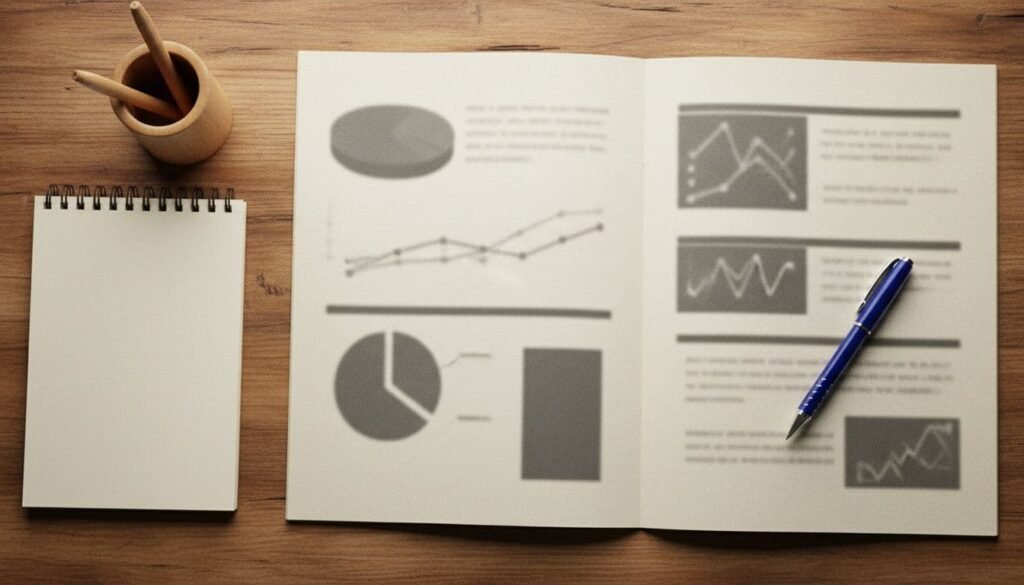
You may think a long proposal shows care. Sometimes it does. But if the structure is weak, the client doesn’t read that length as thoughtfulness. They read it as effort. Buried key points slow people down. Long paragraphs make scanning harder. Vague next steps force the client to do extra work. Even a strong offer can feel uncertain when the path through the document is unclear. Most readers won’t say, “This is confusing.” They show it in other ways. They ask for another version. They need another meeting. They disappear after saying they will review and get back to you. That silence often has less to do with interest than with friction. When a reader has to work too hard, they often treat the work itself as risky.
Small writing problems can make your judgment look less reliable
You don’t need polished, glossy language. You do need consistency. If you call something a “project” in one section, a “package” in another, and a “partnership” later, the reader starts to wonder what they’re buying. The same thing happens with jumps in logic, mixed tone, and sloppy formatting. A sudden shift from warm and direct to stiff and vague can feel off. A report with uneven headings or stray grammar errors can make your thinking look less settled than it is.
These seem like small issues because they are small on the page. Still, clients use them as clues. They don’t separate writing quality from working quality as neatly as you might hope. If the document feels careless, they may assume the engagement will too.
Proximity Blindness Is a Writing Problem
Most smart professionals miss problems in their own materials. That isn’t a character flaw. It’s a normal side effect of being too close to the work. You know your service well. You know what happened in the client meeting. You know what you meant in the report. Because of that, your brain fills gaps the page never covers. You read through missing steps and smooth over rough logic without noticing. If that pattern sounds familiar, You’re Too Close to Your Own Draft to See What’s Wrong goes deeper on why that happens.

This is where many business writing mistakes start. You assume the client shares your context. You skip a link in the chain because it feels obvious. You use terms that make sense to you but not to a new reader.
A service description may feel clear because you know what happens after kickoff. The client doesn’t. A proposal may seem complete because you remember what you said on the call. The reader only has the document in front of them. That gap matters most when you’re selling thought work. If you coach, advise, write, design, or consult, clients are buying your judgment. When the page leaves room for doubt, they don’t always give you the benefit of the doubt.
Revision layers can hide weak logic under polished sentences
A document can look clean and still be hard to trust. Proofreading won’t fix a section that answers the wrong question. Good grammar won’t repair a weak sequence. If you’ve wondered why, Copyediting Won’t Fix a Clarity Problem explains the distinction.
This happens a lot in materials that have grown over time. You reuse a paragraph from an old proposal. You add a note from a past client. You trim one section, then patch another. In the end, the sentences may read well, but the document can still wander. The result is subtle. The client reaches the end and feels unsure, even if they can’t name the reason. They may say they need time. They may ask for details already covered. Often, they simply don’t move.
Clients Need Documents That Make You Easy To Trust
Perfection isn’t the goal. Clear judgment is. Your materials need to answer the reader’s real concern, which is usually simple: “Do I understand what I’m buying, and do I trust this person to guide me well?”
For independent professionals, documents often carry extra weight. You may not have a sales team, project manager, or account lead backing you up. Your proposal has to show care. Your report has to show thought. Your service description has to show that the work is defined and managed. That’s why Why Editing for Small Business Writing isn’t optional for independent professionals.
You can’t be your own editor.
That’s exactly what the Strategic Diagnostic is built for: an outside read that names what you can’t see.
Clear service descriptions reduce doubt before it turns into price resistance
Price pushback often starts earlier than people think. It starts when the scope feels soft. If your service description uses fuzzy wording, the client can’t picture the work. If deliverables are broad, they can’t judge value. If the boundaries are unclear, they worry about surprises. Once that worry starts, price becomes the easiest objection to name.
Clarity changes the comparison. A well-written service description helps the client see what is included, what isn’t, how the work moves, and what outcome they should expect. That doesn’t force a yes. It does make the decision more grounded.
Weak: “I offer coaching services to help you reach your goals and unlock your potential.”
Stronger: “I work with first-year managers navigating their first difficult personnel decision. Sessions are 50 minutes, and you leave with a specific next step.”
When people understand the offer, they compare less on sticker price and more on confidence. That is a better place for any service business to be.
Strong client reports show how you think, not just what you did
Reports do more than summarize activity. They reveal how you assess, sort, and recommend. That is why report writing matters so much for trust. A weak report dumps facts on the page and hopes the client connects them. A strong report guides the reader through the meaning of those facts. It shows what matters, why it matters, and what should happen next.
This is where many solo professionals lose influence without realizing it. The work itself may be excellent. Yet if the report is flat, cluttered, or hard to scan, your thinking looks thinner than it is.
Clients act on advice when they can follow the reasoning without strain. If you’d like to know what kinds of support are available, the small business services list is here. When findings, logic, and next steps line up cleanly, clients are more likely to approve the next phase, accept the recommendation, or stay engaged.
Your Expertise Is Part of the Problem
If your materials keep getting slow replies, basic questions, or soft resistance, more self-editing may not solve it. In many cases, you need someone who can read the document the way a client does, without your background filling in the blanks.
That kind of review isn’t about polishing every sentence until it shines. It’s about finding the places where the document creates drag or doubt. Then you can fix the real issue instead of guessing.
What a useful review should actually help you see
A good outside read should show you where the document loses the reader. It should point out where the order is off, where context is missing, and where wording shifts in ways that weaken trust.
It should also catch practical problems such as:
- sections that repeat instead of move the reader forward
- terms that change from one page to the next
- formatting that makes key details easy to miss
- recommendations that appear before the reasoning is clear
- next steps that feel vague or incomplete
That kind of feedback helps you make better decisions about the document as a whole. You stop tweaking lines at random. You start fixing the places that block action. If you’re wondering what that kind of outside read actually involves, “Curious What It’s Like to Work With an Editor?” walks through the process.
Frequently Asked Questions About Business Writing Mistakes in Client-Facing Documents
The Strategic Diagnostic Pricing is by document length, starting at $175. It includes a written assessment of your document plus a conversation to work through the findings together.
Proposals, service descriptions, client reports, scope documents, and other client-facing business materials. If it goes out to a prospect or client and you wrote it yourself, it’s a candidate.
The Diagnostic typically takes a few business days from submission to written assessment, depending on document length and current availability.
Yes, for a focused set of related materials. Larger scope means a different conversation at intake. But there’s always a clear scope before work begins, and we agree on it together before anything moves forward.
You get a written assessment and a conversation. From there, you decide what to do next. Some clients revise on their own. Others move into editing support. There’s no required next step.
The Message You Didn’t Know You Sent
If you’re weighing whether outside eyes would help, watch the pattern. If people hesitate after reading, ask for clarifications you thought were obvious, or go quiet after a strong call, the document may be doing damage behind the scenes.
Your materials talk when you’re absent. They explain your standards, your thinking, and your level of care. If that message is blurred, you can lose trust before the real work even begins.
The strongest next step is often simple: treat the document as part of the service, not as admin. When replies are slow, questions stay basic, or price pushback keeps showing up, your business writing mistakes may be closer to the problem than your offer is.
Want a Quick Way to Check Your Own Materials First?
Before you hire anyone, run this checklist.
Ten-Minute Clarity Edit Checklist
It helps you spot clarity traps, evaluate your tone and trust signals, and tighten the structure of your business documents in about ten minutes.
👉 Download the Ten-Minute Clarity Edit Checklist
Not Sure What Your Materials Are Doing?
If you’ve revised the same document more than twice and still can’t say why it isn’t working, the next step isn’t another round of editing.
Start with the Strategic Diagnostic
Pricing is by document length, starting at $175, with no future commitment required. You’ll get a written assessment plus a conversation to work through it.
👉 Strategic Editorial Diagnostic

Thanks for reading — here’s to clearer writing and stronger ideas.
~~ Susan