
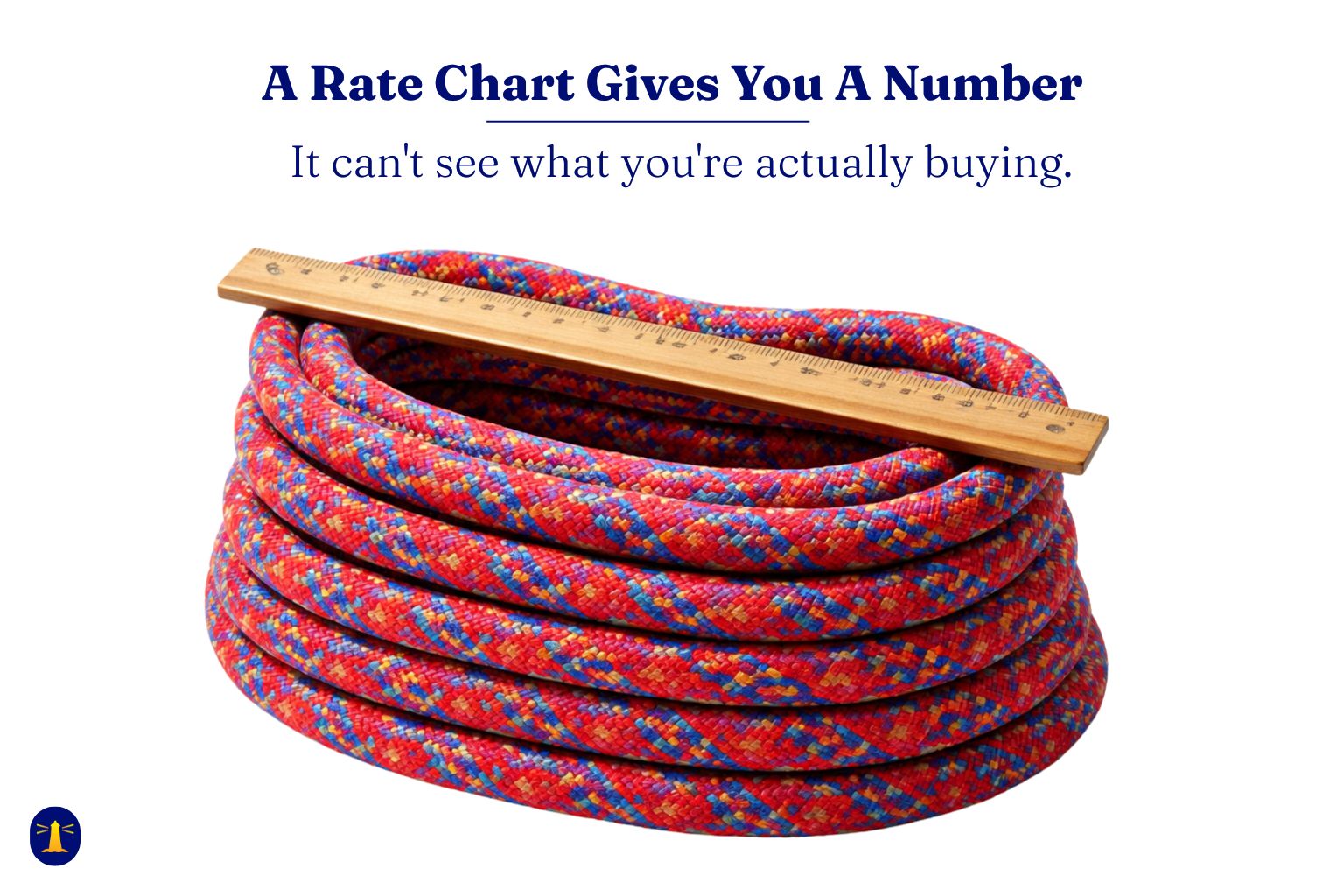
You’re comparison-shopping editorial services. You find a neat rate chart with a price per word, per page, or per hour. It feels like the hard part is over. You can budget in minutes.
Then the quote comes back higher than the chart suggested, even compared to industry standards like the Editorial Freelancers Association (EFA) rate chart. Or the timeline stretches. Or you get the file back and think, “This is cleaner, but it still doesn’t read the way I need.”
Here’s the calm truth: a rate chart gives you a number. It doesn’t tell you what you’re actually buying. It can’t. A chart can’t see your draft, your goal, your audience, or the risk of getting it wrong.
By the end of this, you’ll know how to ask better questions, compare quotes fairly, and choose the right level of help for your draft, without guessing based on editorial rates from a single line item.
Key Takeaways
- Editing rate charts show a price per word, page, or hour, but they can’t predict scope, draft condition, or complexity.
- Two documents with the same word count can need very different levels of editing time, because clarity and risk drive the workload.
- Editors use the same labels (like “standard edit”) to mean different processes, so you must compare quotes by deliverables and passes, not labels.
- AI-assisted drafts often read smoothly but still include repeats, vague claims, tone drift, or incorrect details, which adds checking time.
- To compare quotes fairly, ask what the editor will do, how many passes they’ll make, what you’ll receive, and what they need from you to avoid delays.
Estimated reading time: 15 minutes
Rate Charts Look Objective
Rate charts feel like the industry standard because they’re simple. Same length, same price. That logic works for printing paper towels. It breaks down fast for editing because the biggest cost driver isn’t word count. It’s scope, meaning what you want the editor to do to make the piece succeed.
Two documents can both be 2,000 words. One might already be clear and well-ordered. The other might wander, repeat itself, and hide its main point until paragraph six. Chart numbers like this often draw from survey data on the median rate. The chart sees only “2,000.” Your reader experiences two completely different texts.
When you hire an editor, you’re not buying keystrokes. You’re buying outcomes like copyediting for a clearer message, proofreading for fewer mistakes, a steadier tone, and stronger credibility. Those outcomes take different amounts of time depending on what’s on the page.
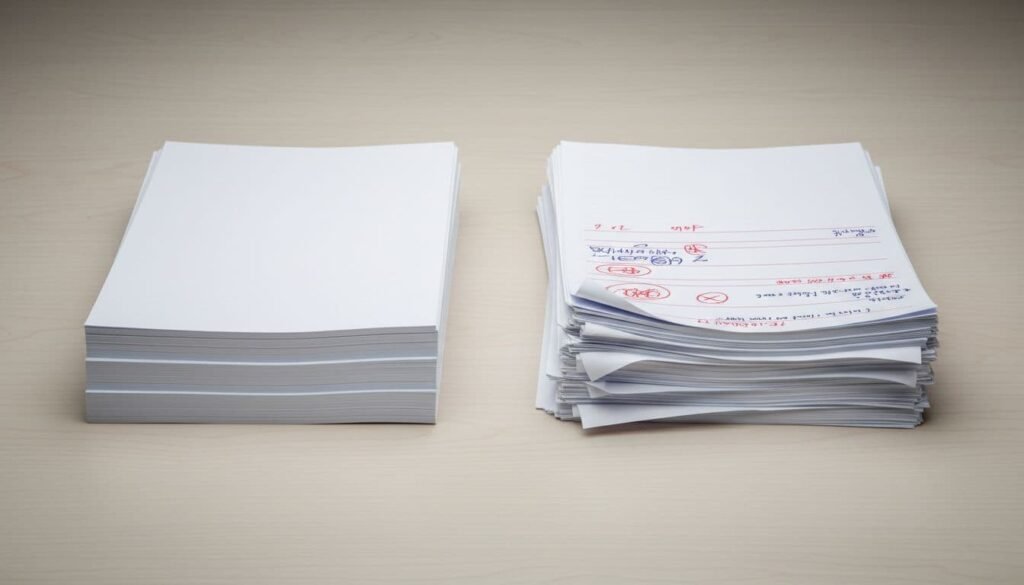
A chart measures length because length is easy, often benchmarked in pages per hour. Clarity is not. Yet clarity is what your client, board, or customer reacts to.
Time goes into reading for meaning, then checking whether the logic holds. Next comes fixing unclear sentences, smoothing tone, and catching internal conflicts (like two different numbers for the same result). After that, I re-read to confirm the revised version still sounds like you, not like me.
Those steps matter most when the document carries business risk. Proposals, reports, case studies, policies, investor updates, web copy, and client-facing emails lose trust when they’re confusing. Even small slips can look like carelessness. If your reader has to re-read, you’re already paying a hidden cost.
If your document will be judged, forwarded, or quoted, you’re paying for judgment and accountability, not just spelling fixes.
One editor’s “standard edit” can be another editor’s quick cleanup
Rate charts also hide a messy reality: two editors can use the same words to describe very different work, whether for editorial rates in nonfiction like proposals or in fiction.
One editor may do a fast pass for obvious errors and awkward lines. Another may do multiple passes, each with a different focus. One might rewrite heavily. Another might keep your phrasing and make smaller changes. Some editors will flag confusing sections and ask questions. Others will quietly fix what they can and move on.
So when you compare two charts, you might be comparing a quick cleanup to a deeper rebuild priced per word, even if both call it “standard.” The number looks comparable. The service isn’t.
If you want a fair comparison with editorial services, you have to compare what happens to your draft, not what the chart says happens.
The Condition of Your Draft Changes the Price
Charts assume an average draft. Real drafts aren’t average, and that’s normal. You might be writing between client calls, or updating a document that’s been passed between three people, or turning meeting notes into something readable.
Draft condition drives time because it determines how many choices freelance editors must make. A clean, stable draft lets me focus on polish and consistency. A rough draft asks me to solve problems that aren’t just “wrong words.”
This isn’t about judging your writing. It’s about being honest about the work required to reach your goal. If you need the piece to sound confident, read smoothly, and hold up under scrutiny, the starting point matters. A ten-minute clarity check can help you assess where your draft actually stands before you reach out.
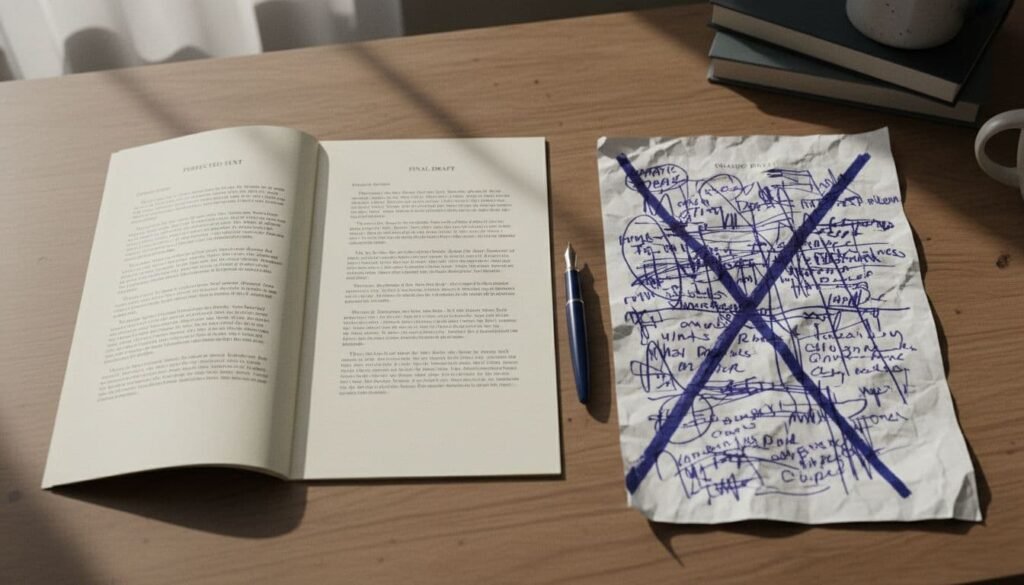
A near-final draft usually has three things going for it: the point is clear, the order makes sense, and the voice stays steady. In that case, I can work quickly because the intent is already there. I’m tightening sentences, smoothing transitions, and catching small errors before your reader does. This level of work aligns with line editing or copyediting, whether for fiction or nonfiction.
A messy draft is different. Maybe the opening doesn’t match the ending. Maybe two sections argue for different goals. Maybe the same point shows up in four places because it evolved over time. Sometimes the draft assumes background knowledge your reader won’t have, such as in nonfiction or academic pieces.
Now the work becomes decision-heavy. I have to test meaning, not just fix wording. I may need to flag missing information, highlight where claims feel too broad, or point out where the tone shifts from warm to sharp without warning. Keeping your voice consistent takes extra care because the draft itself may not be consistent yet. The time spent per hour goes toward these decisions.
In other words, the time isn’t spent “editing harder.” It’s spent making sure the document makes sense as a whole, so you don’t send something that creates follow-up confusion. This is closer to developmental editing.
AI-assisted drafts can be longer and smoother, but still wrong in quiet ways
If you use AI to draft faster, you’re not alone. It can help you get words on the page, especially for self-publishing projects. It can also create a new kind of editing problem: text that sounds fine while slipping in issues that are hard to spot at a glance.
AI-assisted drafts often carry vague claims that don’t match your actual services. They may repeat the same idea with different wording, which makes the piece feel padded. They often drift into a tone that doesn’t fit your brand, like formal one minute and chatty the next. AI tools frequently invent details, dates, or outcomes, especially when the prompt is thin or the source material is incomplete.
Because the writing reads smoothly, you will miss these problems during a quick review. This is the same reason copyediting alone won’t catch what AI left behind. Catching them takes slow reading, careful checking, and a willingness to ask, “Is this true for your business?” That’s time a rate chart can’t predict, even when the word count looks efficient and impacts pages per hour or per word rates.
Complexity is About the Job, Not the Topic
People hear “complex” and think it means technical topics only. That’s not what I mean. Complexity is about what the document must do per word, how many parts it has, and how many ways it can break, all of which impact editing speed.
A simple nonfiction topic can still be a complex job if the document has many moving pieces. Meanwhile, an academic technical topic can be a straightforward edit if the structure is stable and the scope is clear.
This is also why two editors can quote different prices around the median rate and both be fair. One quote may cover a narrower slice of work like line editing. The other may include more checking, more passes, or more responsibility for the final read through developmental editing. You’re not only buying time. You’re buying attention and the willingness to stand behind the result.
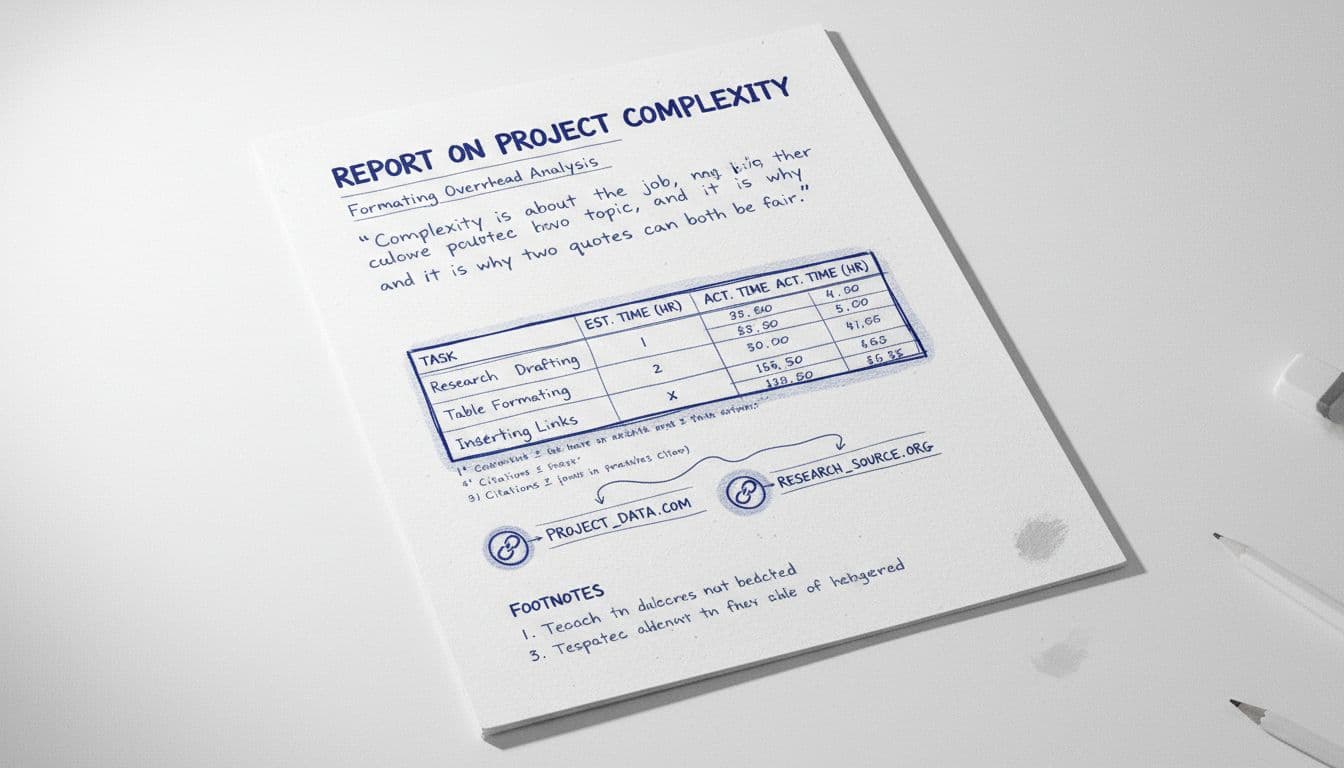 Formatting, tables, links, citations, and brand voice all add time.
Even when the words are solid, presentation can raise the workload. A layout-heavy PDF takes longer than a plain document because changes can bump spacing, headings, and line breaks. Tables and forms add another layer because one small change can affect alignment and meaning, which slows pages per hour.
Links and citations also slow the process because they invite verification. If a link looks off, I have to decide whether to flag it or check it. If the document references a figure or appendix, I need to confirm the reference still matches after edits.
Then there’s brand voice. Matching your voice isn’t a quick switch. It means checking word choices, sentence rhythm, and tone across the whole piece. A single “off” paragraph can make a client wonder who wrote it.
None of that shows up in a rate chart like standard editorial rates per page. Yet it often doubles the real time on a document with the same word count.
Deadlines and collaboration change the workflow
Timing matters, too. A rate chart assumes normal scheduling at a standard per hour. A rush deadline changes the day, not just the price. To deliver quickly and keep quality, I have to rearrange other work, edit in longer blocks, and leave time for a final review when my eyes are fresh, which lowers the effective hourly rate.
Collaboration adds its own time costs, even under a flat fee. If you have multiple stakeholders, you might need the edit to support easy review. You may prefer tracked changes, comments, or a clean copy plus a marked copy. In addition, back-and-forth rounds take planning. Waiting for approvals can pause the work, then restart it.
That’s not a “penalty.” It’s the real labor of coordinating people and protecting quality under a clock.
The fastest edit is the one that’s clear about scope, inputs, and the finish line before the clock starts.
When a Rate Chart Is Still Worth a Look
A rate chart isn’t useless. It gives you a rough range before you have a draft ready or before you’ve decided whether editing is in the budget at all. If you’re trying to figure out whether professional editing is financially realistic for your project, a chart can answer that first question. What it can’t do is replace a real quote based on your actual document. Use it to set expectations, not to make a hiring decision.
It doesn’t tell you what you’re actually buying.
If you’re past the research stage and ready to move, this is where to start.
How To Get a Real Answer
If you want an answer you can trust on the editing cost for an important business document, especially if you started from AI, ask freelance editors for a quote based on what you need the document to do. If you’re not sure how to frame that request, this post walks you through it. Then compare them based on the work they’ll perform and what you’ll receive at the end.
Think of it like hiring a contractor for an indoor repair. Square footage helps, but it doesn’t tell you whether you’re painting a room or repairing water damage. Editing works the same way. A fair quote comes from seeing the draft (or a sample), hearing the goal, and defining what “done” means.
You don’t need to know special terms to do this well. You just need plain-language details. When an editor can explain the work clearly, you can compare quotes without guessing.
The quote comparison questions that reveal what you are actually buying
Use these questions to make quotes comparable across providers:
- What will you do to my draft (in plain language), and what won’t you do?
- How many passes will you make, and what is each pass focused on?
- Will you check structure and flow, or only fix surface-level issues?
- Will you flag unclear claims, missing details, or places where a reader may get lost?
- How will you handle tone and voice so it still sounds like me?
- What will the final deliverable look like (marked changes, clean copy, comments)?
- How do you price messy or in-progress sections (flat fee, per word, per page)?
- What do you need from me to avoid delays (source notes, links, decisions)?
- What’s your revision policy if I need adjustments after I review?
After you ask these, the numbers start to make sense against the median rate. You’ll see which quote is a quick clean-up like copyediting or proofreading, which is full-message support, and which includes extra checking and care. A rate estimator and project tracker can help you stay on top of it all.
What I Need From You to Quote Accurately
To give you a quote you can actually use, send me:
- The full draft, or a representative sample of at least 500 words
- What the document needs to do and who will read it
- Where it will live (web page, PDF, submission portal, print)
- Your deadline, including any review rounds before final delivery
- Any must-keep terms, brand voice guidelines, or source materials I’ll need to check against
The more complete your brief, the faster and more accurate the quote. If you’re not sure about any of these, send what you have and we’ll sort it out together.
Frequently Asked Questions About Editing Rate Charts and Quotes
Yes, and it’s common for nonfiction. If your draft needs both structural work and line-level polish, a single editor who does both can move through the document with continuity rather than handing it off mid-process. Ask the editor upfront what levels they cover and whether they price them separately or as a combined scope.
Start with your goal, not the editing label. If readers are confused or the message isn’t landing, the problem is likely structural. If the message is clear but the sentences feel rough or inconsistent, you’re looking at line-level work. If the draft is nearly final and you need a clean set of eyes before it goes out, that’s proofreading territory. A good editor will confirm or redirect that assessment after seeing the draft.
At minimum: a sample or full draft, a clear description of what the document needs to do, your intended audience, and your deadline. If you have style preferences, brand voice guidelines, or source materials the editor may need to verify against, include those too. The more complete your brief, the faster and more accurate the quote.
That depends on what the document will do. If it’s going to a client, a funder, a board, or anyone whose opinion of your business matters, yes. AI-assisted drafts often sound complete while containing vague claims, repeated ideas, or tone inconsistencies that a quick read won’t catch. The risk isn’t the prose quality. It’s whether the content is accurate and whether it sounds like you.
Compare scope, not price. Ask two or three editors what they will do to your draft, how many passes they will make, and what you will receive at the end. A lower quote that covers one light pass and a higher quote that includes multiple passes and brand voice checking are not the same service. Once you know what each quote covers, the price difference usually makes sense.
A Quote Beats a Chart Every Time
An editing rate chart gives you a number, but it doesn’t tell you what you’re actually buying. When the final quote surprises you, it’s usually because the chart can’t reflect scope, draft condition, and complexity. Editorial rates depend on those three variables, which decide the real time and responsibility behind the work, beyond per hour, median rate, per word, or per page figures.
Before you choose copyediting, developmental editing, or proofreading, ask plain questions about process and deliverables, then compare quotes on what you’ll receive. If you want, you can bring me your draft and your goal. Whether you’re a business writer, independent professional, creative author, an AI creator, or academic, you’ll get a clear match between the editorial services you need and the outcome you want, without pressure and without jargon.
Keep a Realistic Number Close
Not sure what editing might cost for your project? Before you reach out, start here.
Editing Cost Calculator: A Quick Range Finder
This one-page tool helps you estimate editing costs based on your document type, draft condition, and scope, before any conversation starts.
👉 Access the Editing Cost Calculator for free and independent estimates!
Tired of Needing Help You Can’t Access Fast Enough?
Most editing relationships start with two weeks of setup. Scope conversations. Contracts. File transfers. By the time you’re cleared to go, your deadline has moved.
Premium Access solves that. One setup conversation now means you can send the file when the deadline is real, skip the queue, and get editorial support without starting from scratch.
Only a few clients are active at any given time. If you’re thinking about it, now is a good time to reach out.

Thanks for reading — here’s to clearer writing and stronger ideas.
~~ Susan



🕒 Comments are open for 30 days to support timely conversation. Thanks for being here while the post is fresh.