

You ask for help with your first draft, and three ballpark quotes come back at $200, $800, and $2,000. Now you’re stuck. You don’t have a clean way to judge the gap in your manuscript when comparing editing quotes, and the fear creeps in fast. Pick the low quote, and you might miss serious problems. Pick the high one, and you might waste money on work you don’t need.
If you’re an author, a small business professional, or an academic, this moment is common. From my side of the desk, the numbers only start to make sense when you look at what each editor plans to do. That’s the real comparison. Your next step isn’t guessing which quote feels fair. It’s learning how to read the quote itself.
Key Takeaways
- When editing quotes vary widely, you’re usually not comparing the same service. You’re comparing different levels of work.
- The best way to compare editing quotes is to look at scope, what the editor will do, what is included, and what result you should expect.
- A lower quote can be the right choice if your draft is already strong and only needs light cleanup or proofreading.
- A higher quote often means the editor sees deeper issues, such as weak structure, logic gaps, tone problems, or heavy revision needs.
- The right quote is the one that fits your draft’s current stage, your goals, and the cost of leaving problems in place.
Estimated reading time: 12 minutes
Start By Comparing What Each Quote Says Will Happen To Your Draft
When quotes for the editing process vary by hundreds or thousands of dollars, the difference is usually not random. It means each editor sees a different job.
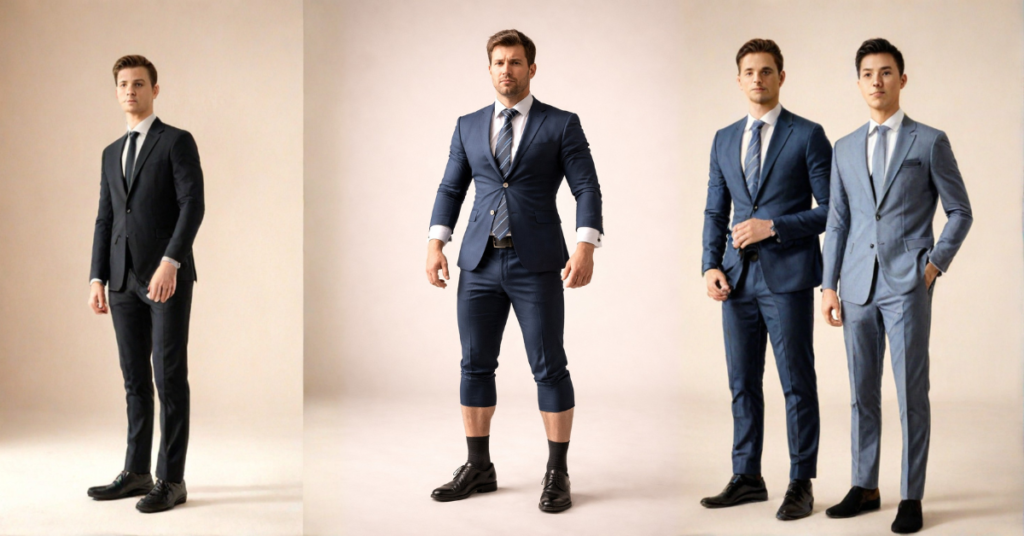
To make this concrete, the same draft can legitimately be seen as three genuinely different jobs:
- A $200 quote typically covers proofreading only: catching spelling errors, punctuation, and basic grammar.
- An $800 quote likely includes a full copyedit: sentence-level clarity, consistency, and flow, with comments explaining changes.
- A $2,000 quote usually means the editor sees structural work to do, such as reorganization, logic gaps, tone inconsistencies, and is pricing in the time to address them properly.
One may plan to correct surface issues and move on. Another may plan to work through the whole draft line by line. A third freelance editor may think the draft has deeper problems and is pricing in much more time, thought, and follow-up. In other words, editing costs often track scope, attention, and risk.
You’re not comparing prices. You’re comparing completely different services.
Look for the actual work behind the number
Start with verbs, not labels. Ask what each editor will actually do to your draft. Will they fix awkward sentences, point out weak logic, trim repetition, flag tone problems, smooth transitions, or clean up grammar and punctuation? Will they explain why something isn’t working, or just change it silently?
This matters because two quotes for copyediting services can use the same service name and still promise very different amounts of labor. Different copyeditors may read for sentence clarity only in one case. In another, they may also track structure, internal consistency, repeated ideas, and reader confusion from start to finish.
When you comparison shop for editing prices, don’t stop at the total. Look for the actions behind the number. A useful quote should tell you what the editor will read for, what they’ll change, and what kind of result you should expect. If a quote stays vague, you don’t know what you’re buying.
Check what’s included, and what isn’t
A quote can look similar on the surface and still leave out major pieces of work. So check the edges during the pricing discussion.
You need to know how many passes are included. You also need to know whether you’ll get comments, whether the editor will look at your revisions, and whether formatting or reference cleanup is part of the job. Turnaround time matters too, because rush work often raises editing costs.
Another common issue is partial pricing. Sometimes a ballpark quote covers only a sample, a first round, or part of the manuscript. That doesn’t make it wrong. Still, you need to know whether the number reflects a ballpark quote for the first step or a confirmed quote for the full job.
The higher quote may include more attention, more back-and-forth, and more cleanup. The lower quote may be lighter by design. Neither is automatically bad. But until you know what’s included, and what isn’t, the prices aren’t truly comparable.
Determine Which Quote Matches the Problem You Actually Need Solved
This is where many people get stuck. You assume the goal is to find the most reasonable price. Often, the real goal is to match the service to the draft in front of you, guided by timeless writing advice.
A cheap quote is not always too little. A high quote is not always too much. The right choice depends on what your draft needs right now, not what sounds impressive.
A low quote may be enough if your draft is already strong
Sometimes the simplest answer is the right one. If your structure works, your point is clear, and your tone already fits the audience, you may only need a final cleanup.
That can be true if you’ve done thorough self-editing, revision after strong early feedback, and tested the draft with real readers. It can also be true if you’re close to submission and the main task is proofreading to catch leftover errors, smoothing rough phrasing, and making the document consistent. As Stephen King outlines in his book On Writing, the philosophy of revision often means recognizing when a draft is ready for polish.
In that case, a lower quote may reflect a realistic amount of work. You’re not under-buying if the draft is already solid. You’re buying the level of help that fits the stage of the project.
This is why blanket advice about editing costs rarely helps. A polished grant proposal, a clean business report, and a nearly finished book chapter do not need the same kind of attention.
A higher quote often means the editor sees bigger risks
don’t assume greed first.
Read it as information.
The editor may see weak organization, jumps in logic, repeated points, uneven tone, or sections that ask too much from the reader. They may think the draft needs more than correction, including a full rewrite so the piece says what you mean and lands the way you want. This could involve tough choices like revising cherished but ineffective parts.
That line matters because a quote can tell you what an editor believes is wrong, or likely to go wrong, in the current draft, such as overuse of adverbs and adjectives or the need to delete unnecessary words. If one editor is pricing in deeper work, they may be responding to risks the others didn’t mention, or didn’t plan to address.
That doesn’t mean the highest quote is correct. It means you should pay attention to the reason behind it.
Use The Quote Conversation To Test Fit, Trust, and Judgment
Once you see the service difference, the next step is not bargaining. First, check whether the editor’s thinking is clear.
A good quote should help you understand your own draft better. It should not leave you more confused than you were before.
Ask each editor the same few questions and compare the answers
Keep this simple. Conduct a project evaluation by asking each editor the same set of questions, then compare how clearly they answer.
- What problem do you think the draft has right now?
- What would you focus on first?
- What will I receive at the end of the job?
- What is your timeline for this work?
- What would a successful result look like?
Clear answers usually point to a clear process. If an editor can explain what they see (such as issues with adverbs and adjectives, structure, or voice), what they’ll do, and what the outcome should be, that’s a good sign. If the answers stay broad, salesy, or slippery, slow down.
You’re not asking for a performance. You’re checking judgment.
Notice who gives you clarity instead of pressure

Trust shows up in tone as much as price. A strong editor doesn’t need to push you into a fast yes. A freelance editor has an ethical obligation to provide clarity instead of pressure.
To explain further, ethical editorial freelancers should help you understand the tradeoffs with communication that’s clear and direct. They explain why they recommend a certain level of work. They respect your voice, your goals, and your deadline. If you want light help, they should say when that makes sense. If your draft needs more, they should say that plainly and back it up with specifics.
Red flags are easy to miss when you’re anxious. Watch for vague promises, big claims without examples, or a quote that seems disconnected from the actual draft. Also watch for pressure tactics, especially if the editor talks more about urgency than about your document.
Choose The Quote That Gives You The Right Outcome, Not Just The Lowest Editing Cost
Most clients, even published authors, don’t fully know what they need before they ask for a quote. That’s normal. In fact, that’s usually the real problem. The best help often starts before the number, with copyediting services identifying the job clearly enough for a quote to mean something.
So when you think about how to compare ballpark quotes, focus on the outcome first. Then ask what level of work gets you there, leading to a confirmed quote you can trust.
Make your decision based on fit, scope, and consequence
A simple filter can calm this whole process. Look at three things:
- Fit: Does the editor’s plan match your draft’s current stage?
- Scope: Does the quote explain what will be done, how much, and what you’ll receive?
- Consequence: If the draft keeps its current problems, like lacking concise writing or retaining every unnecessary word, what will that cost you in credibility, clarity, or opportunity?
If the stakes are low and the draft is strong, lighter help may be enough. If the stakes are high, and the draft still has weak spots, broader help like a rewrite is usually worth it. That’s the proper decision frame. Not cheap versus expensive, but mismatch versus fit.
Frequently Asked Questions About Comparing Editing Quotes
From my side of the desk, a wide price gap almost always means each editor is pricing a different job. One may be quoting light cleanup; another may be planning a deeper edit with comments, a revision round, and more than one pass. The number only makes sense once you know what work sits behind it.
It depends on where your draft actually is. A low quote can work well if your structure is solid, your meaning is clear, and you mainly need someone to catch surface errors. If you’re not sure whether that describes your draft, that uncertainty is itself useful information. It usually means a conversation before a quote is the smarter first step.
Yes, and a good editor will expect it. Asking an editor to walk you through their pricing isn’t rude or adversarial. It’s how you find out whether they understand your project. If they can’t explain the quote clearly, that’s useful information, too. Direct questions tell you something.
Not necessarily. A higher quote often means the editor sees more complexity: structural issues, repeated ideas, tone inconsistencies, or sections that need more than a light pass. Treat it as a diagnosis worth understanding, not as a verdict on your writing. Ask them to walk you through what they saw.
A useful quote names the type of edit, the number of passes, whether comments are included, whether a revision round is part of the scope, the turnaround time, and whether the price covers the full manuscript or only a first phase. If any of those are missing, ask before you sign anything.
Finnegan’s View of Editing Costs 🐾
My assistant editor know that finding the right fit between your document editing needs and the editing you hire will let you relax, and sleep peacefully.
Finding the right editor fit on writing should feel like this: calm, settled, and easy to trust.
The Right Editing Quote Matches The Real Job
When you get three very different editing quotes, the safest move is to compare the work, not the numbers. A trustworthy quote explains the editing process, scope, priorities, and likely results in plain language. If you can see what problem the editor is solving, the decision gets much easier. In the end, when comparing editing quotes, the right choice is the one that fits the draft you actually have, and the outcome you actually need, like published authors achieve.
Not Sure What Your Draft Actually Needs?
Before you compare quotes, it helps to know what kind of problem you’re solving.
Where Did Your Reader Get Lost? A Three-Level Editing Diagnosis
This one-page reference walks you through three levels of editing problems — surface, structure, and message — so you can name what’s wrong before you hire anyone.
👉 Download the reference (in the Freebie Library)
Want to Run the Numbers First?
If you’re trying to figure out whether a quote is in the right ballpark before you even reach out, this tool gives you a quick, honest estimate based on your project type and word count.
Editing Cost Calculator
This free tool gives you a ballpark estimate in minutes. You’ll need to provide your email to access it.
👉 Try the Editing Cost Calculator

Thanks for reading — here’s to clearer writing and stronger ideas.
~~ Susan

🕒 Comments are open for 30 days to support timely conversation. Thanks for being here while the post is fresh.