A Clear Guide to Editing for Authors, Academics, and Professionals
Editing comes in several flavors, each with its own focus and purpose, and knowing which one fits your needs can save you time, money, and headaches. For authors, academics, and professionals, understanding the difference between copyediting, line editing, and proofreading isn’t just helpful, it’s essential for clear, credible, and impactful writing. This guide will lay out what each editing stage does, how they differ, and how to pick the right service so your work gets the attention it deserves.
Understanding the Three Core Editing Stages
Before editing can bring out the best in your writing, you need to know what each stage actually does. Sorting out copyediting, line editing, and proofreading can feel like stepping around a kitten snoozing in your pile of drafts: one wrong step, and you risk missing details or getting tripped up. Each stage handles a different part of the process, working together to turn draft pages into polished work. Here’s a closer look at what happens in each stage and why they matter for anyone who wants their words to stand out.
Copyediting Explained
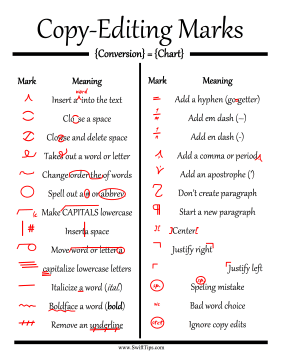
Copyediting works like a careful second set of eyes. This stage checks grammar, fixes punctuation, and straightens out formatting. Style issues, like matching your writing to a certain guide or tone, also fall under copyediting. Editors at this stage keep an eye out for consistency so details line up from start to finish.
What sets copyediting apart is its respect for the author’s voice. It won’t turn your work into something unrecognizable. Instead, copyediting polishes the text so you keep your style while the message is easier to trust and understand. Think of it like brushing the fur on Finnegan, your new silver tabby kitten, without changing his stripes.
Key tasks handled in copyediting:
-
- Corrects spelling, grammar, and punctuation
-
- Ensures consistency (names, dates, usage)
-
- Checks for factual errors or unclear statements
-
- Adjusts style for clarity and flow
For a deeper breakdown and more industry insights on what makes copyediting unique in the editing process, you might find this comparison guide on editing types helpful.
For Real Grammar Nerds: Why do you see copyediting, copy editing, and copy-editing? Because there’s no single boss of English, and different style guides at different times chose different spelling.
-
- Chicago Manual of Style (books/academia, U.S.): copyediting (one word)
-
- AP Stylebook (newsrooms, U.S.): copy editing (two words)
-
- Oxford/New Hart’s Rules (UK presses): copy-editing (hyphen)
Compounds often evolve open → hyphen → closed, and publishers lock one form for consistency at one point in time then rarely change.
Here at Future Perfect Services we follow Chicago, so you’ll see copyediting.
Line Editing Explained
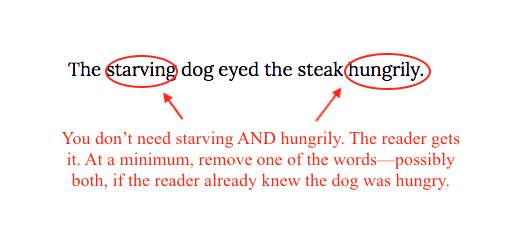
Line editing gets closer to the heart of how writing sounds and feels. Where copyediting checks the nuts and bolts, line editing smooths rough sentences and polishes meaning. This stage focuses on each sentence and paragraph, making sure your ideas come through strong and clear.
Editors at this stage read through your work as a reader would, listening for awkward phrases, repeated words, and sentences that trip up the flow. They look for tone and word choice, making changes so every sentence does its job. Line editing can rearrange or rewrite material to improve impact, but keeps your intent front and center.
Here’s what line editing improves:
-
- Sentence structure and rhythm
-
- Word choice for meaning and energy
-
- Tone and voice carried across the page
-
- Connections between paragraphs and ideas
When you know your story but want to boost its power, line editing is your go-to tool. Authors, academics, and working pros often find this stage brings the biggest jump in readability. For step-by-step tips on how line editing shapes writing, visit this detailed article on line, copy, and proofreading.
Proofreading Explained
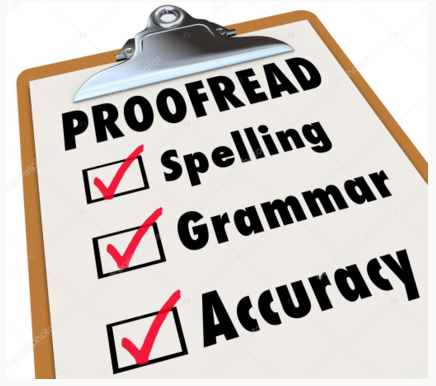
Proofreading steps in at the very end, once every big change is finished. This is the last, careful sweep for typos, missing punctuation, or odd formatting. If editing is like baking a cake, proofreading is the final dusting of sugar. No big changes happen here; it’s all about the details.
A proofreader hovers over your text, scanning for little errors the other editing stages might miss. Typos, double spaces, mismatched fonts, and small mistakes stand out. They don’t change content or rewrite—just ensure the writing is as clear and correct as possible before you share it with the world (or before Finnegan decides your printed pages are his next nap spot).
Typical proofreading catches:
-
- Typos and misspelled words
-
- Incorrect or missing punctuation
-
- Odd line breaks or formatting issues
-
- Inconsistent headers, fonts, or page numbers
If you want a handy visual summary that compares all three editing stages side by side, check out this helpful breakdown from Editage.
Understanding these three stages of editing keeps the process smooth, helps you know what to ask for, and makes your words land with greater clarity. Whether you write books, reports, or academic articles, getting the right type of editing at the right step is almost as important as remembering not to step on your kitten.
Key Differences Between Copyediting, Line Editing, and Proofreading
Before you pick up your red pen (or just keep Finnegan off your manuscript), it helps to know the real differences between copyediting, line editing, and proofreading. Each takes a different route through your writing, like kittens following separate yarn trails. Let’s break down how these editing stages compare, so you can ask for and get exactly the help you need—no fluff, just clear guidance.
Scope and Focus: Copyediting, Line Editing, and Proofreading
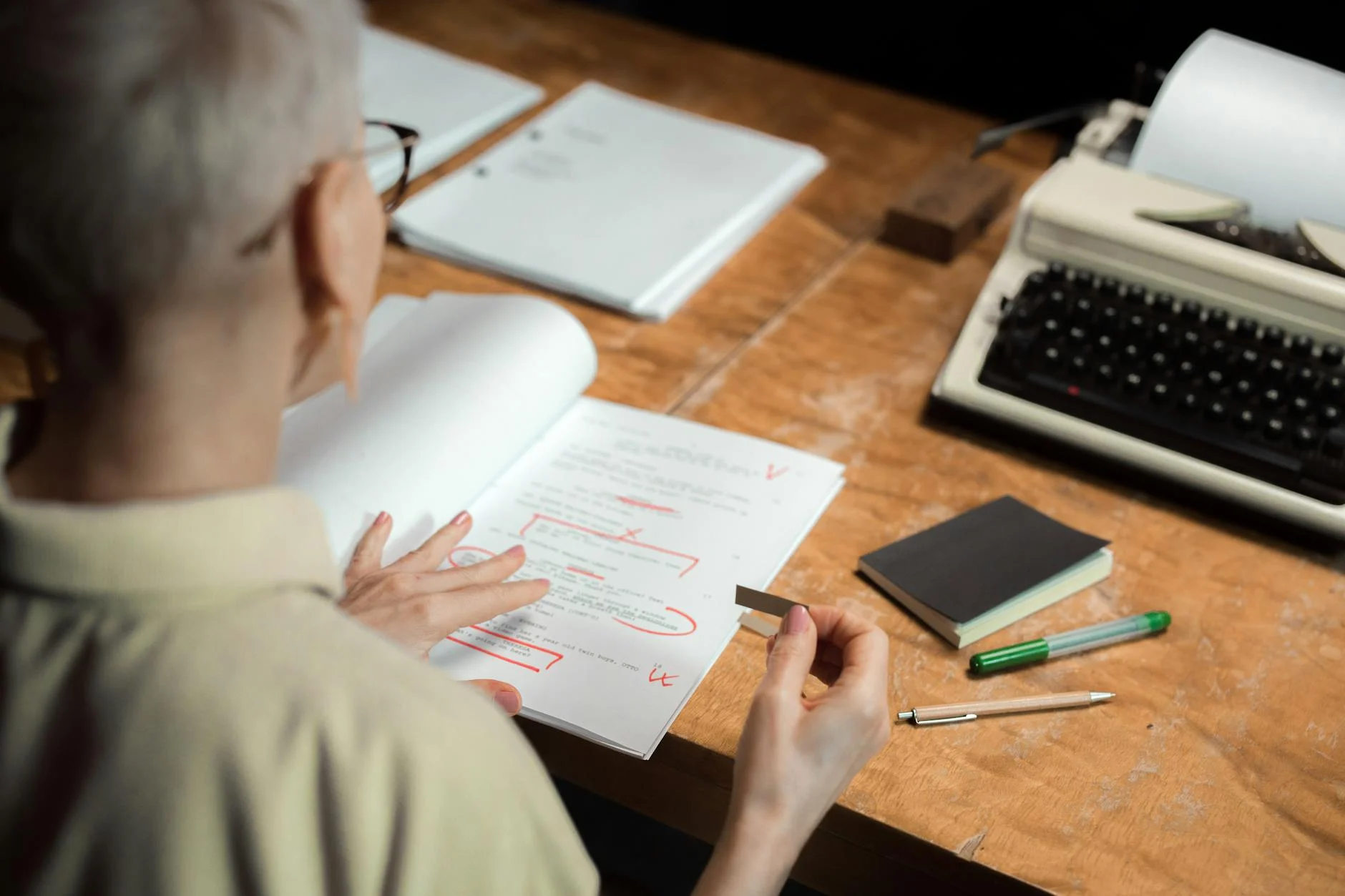
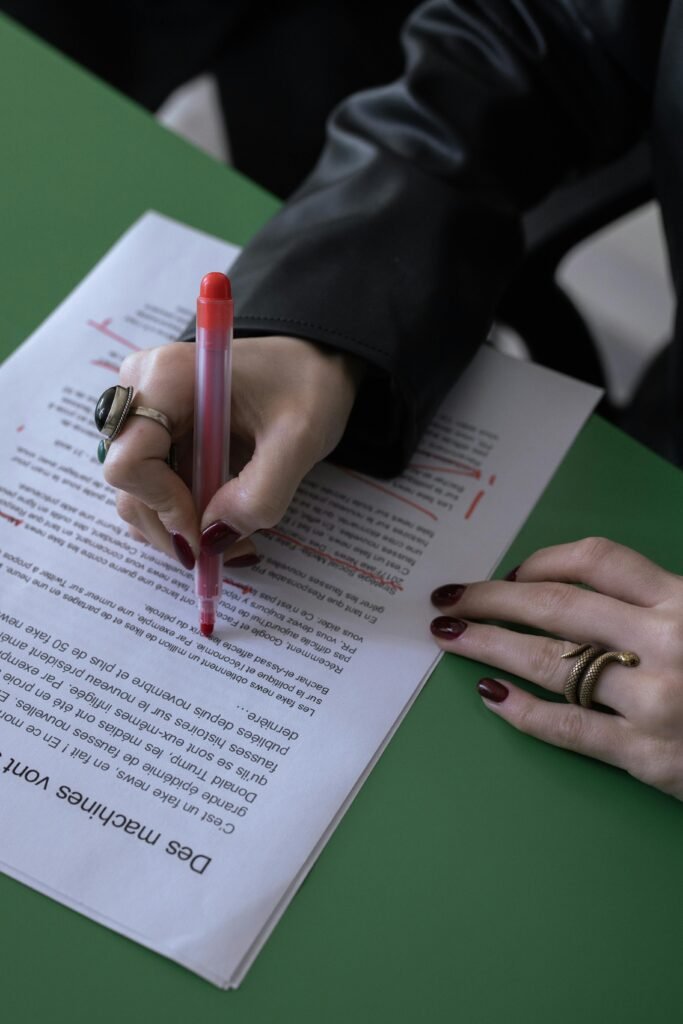
 Photo by Ron Lach
Each stage of editing steps in with a distinct goal:
-
- Copyediting: Concentrates on mechanics. This is the foundation: grammar, punctuation, usage, spelling, and basic formatting. Copyeditors make the writing correct and consistent, smoothing rough patches while leaving the author’s unique voice intact.
-
- Line Editing: Zooms in on style and flow. Here, editors focus on how sentences sound, trimming or rearranging for clarity, energy, and rhythm. Line editing is about elevating language, improving wording, and strengthening your story or argument line by line.
-
- Proofreading: Fixes surface errors. This is your last pass before hitting send or publish. Proofreaders catch typos, missing periods, double spaces, or sneaky mistakes that managed to sneak past other stages. The proofreader isn’t rewriting—just making sure nothing distracting slipped through.
So, while all three forms of editing help polish your manuscript, their attention lands in different places, from deep mechanical fixes to the tiniest missed comma. If you want more detail on the distinctions, see this detailed overview from Jane Friedman on what each editing stage covers.
Here’s a quick-reference table to make these differences clear:
| Editing Stage | Primary Focus | Typical Errors Addressed |
|---|---|---|
| Copyediting | Mechanics and consistency | Grammar, punctuation, style guide, consistency |
| Line Editing | Style, flow, readability | Wordiness, tone, clarity, awkward sentences |
| Proofreading | Surface-level typos and layout | Typos, formatting, missing punctuation, extra spaces |
For further examples and industry comparisons, browse this practical guide at Editage on copyediting vs. line editing and proofreading.
When Each Stage Occurs
The default sequence is simple and efficient: Line edit → Copyedit → Proofread.
But real projects don’t fit the default, sometimes. A good editor will meet your draft and constraints where they stand. Proofreading always comes last unless you want to repeat that step.
Why the order is sometimes switched
-
Labels vary. Some publishers fold light line work into “copyediting,” so the name hides the sequence.
-
Budget/timeline. On a tight schedule, an editor might do a combo pass (light line + copy) to reduce handoffs.
-
Manuscript readiness. If big-picture changes are still likely, a full line edit is premature—you’d be polishing sentences that will move. A light copyedit first can stabilize mechanics while you finish revisions, with deeper line polish later.
-
Scope control. Keeping copyediting separate prevents the “one more rewrite” spiral during a rules-and-consistency pass.
Common variations that work
-
Copy → Line → Copy (spot): Do a light copyedit to stabilize mechanics, line edit once the text settles, then a short spot copy to catch new inconsistencies created by the line changes.
-
Line+Copy (combined): One heavier pass when the prose is close and the editing team wants to save a turn.
-
Micro-proofs: Tiny proof checks after major insertions or layout changes, then a full Proofread at the end.
Practical rule of thumb
-
If voice/flow still feel bumpy → Line edit first.
-
If the prose reads well and the draft mainly needs correctness/consistency → Copyedit.
-
If >10–20% of sentences are likely to change, hold copyediting until after those changes.
I line edit before copyediting so I’m polishing the right sentences.
Then copyediting locks in rules and consistency, and proofreading catches the strays.
How to Choose the Right Editing Service
Picking the best editing service is a bit like trying not to step on your playful kitten while carrying a cup of coffee across the room: it takes attention, planning, and a sense of what matters most for your next step. Whether you’re polishing an academic article, preparing a novel for agents, or getting a business report just right, the editing stage you choose shapes both the process and your final result. Here’s how to find an editing service that matches your project, your budget, and your long-term goals.
Assess Your Manuscript Needs

Before you start comparing editors or agencies, take a close, honest look at your manuscript. Not every document needs every type of editing, and not all editors specialize at every level.
Consider these questions:
-
- How long is your manuscript? A short academic journal article may only need proofreading, while a 90,000-word novel probably needs both copyediting and line editing before the final polish.
-
- How complex is your writing? Technical, academic, or heavily referenced content often requires specialized editing and fact-checking. Straightforward business memos or clear blog posts might not.
-
- Who will read it? Your target audience (journal editors, publishers, coworkers, general readers) shapes your editing focus. Academic and business writing, for instance, often demands stricter adherence to style guides than fiction.
If you’re unsure, step back and think: What’s your biggest worry? Is it grammar and spelling? Flow and voice? Tiny missed typos? Pinpointing your primary concerns helps you avoid wasting time or money. For a refresher on unique editing needs by context, check out what is copyediting for an overview of how different stages serve different goals.
Evaluate Editor Expertise
Not all editors are the same, and not every editing service is built for your type of writing. Take a little extra time to look at your candidates’ background and work.
Here’s what to check:
-
- Credentials and training. Editors with specialized training—such as certificates from recognized editing programs or memberships in professional associations—often bring more than just natural talent.
-
- Experience in your field. Look for someone who knows what a research article, a commercial blog, or a novel requires. Their past projects give direct clues. An editor who mostly works with academic manuscripts may not be best for steamy romance fiction, and vice versa.
-
- Samples and testimonials. Good editors will have sample edits, case studies, or references you can review. These give a real sense of style, responsiveness, and the types of errors or improvements they spot.
-
- Clear service descriptions. You want to know exactly what you’ll get—does the service fix only typos, or will they adjust style and restructure clumsy sentences?
If an editor can’t provide clear answers, sample work, or direct feedback from past clients, it’s worth looking elsewhere. The editing process should feel transparent and collaborative, not mysterious. For side-by-side differences in editing levels, see this breakdown from Jane Friedman: the differences between line editing, copyediting, and proofreading.
Cost vs. Benefit Analysis
Investing in editing is like setting up a cozy nap zone for your kitten that is not your keyboard: it helps prevent future problems, even if the upfront commitment seems big at first. Editing costs can add up, especially for long or complex manuscripts. But choosing the right stage now can save you money (and stress) down the line.
Here’s how to weigh your options:
-
- Know your budget. Prices for editing vary widely by length, complexity, and expertise. Proofreading is usually less expensive than copyediting or line editing.
-
- Understand what each stage delivers. If you pay for the wrong type of editing, you might have to pay again to fix problems the first round missed. For example, proofreading won’t solve wording issues leftover from a lack of line editing.
-
- Consider the return on investment. Strong editing doesn’t just correct errors. It can make your work more credible, boost acceptance or sales rates, or save you from embarrassing mistakes in front of your boss, audience, or journal editor. According to recent industry insights, the best content editing services in 2025 take a tiered approach, sometimes offering bundled packages that align editing intensity to the risk and importance of the project. See an updated comparison of top content editing services for guidance on current market rates and packaged service models.
-
- Ask what problem it solves. Think about the impact of skipping or under-investing in editing. Would missing one error matter? Or is your reputation, grade, or first impression at stake?
Here’s a simple comparison:
| Editing Stage | Typical Cost | Value Given | Best For |
|---|---|---|---|
| Proofreading | Low | Clean, error-free final draft | Simple or final-ready docs |
| Copyediting | Medium | Consistent, correct language and style | Academic, business, fiction |
| Line Editing | High | Readable, engaging, natural flow | Novels, content marketing |
Spending extra on editing, especially if this is a high-stakes project, almost always pays back in clarity and confidence. After all, the last thing anyone wants is a typo getting more attention than their message—or discovering, once the print run is over, that Finnegan managed to sneak in an extra blank page for a nap.
Choosing the right editing service keeps your writing (and your workflow) smooth. Each decision about editing is a step toward making your work stand out without extra stress, confusion, or last-minute panic.
Clear Answers: Copyediting, Line Editing, and Proofreading FAQ
What’s the main difference between copyediting, line editing, and proofreading?
Copyediting checks for basic errors in grammar, spelling, and punctuation. Line editing focuses on style, flow, and clarity, often rewriting sentences for smoother reading. Proofreading is the final check, catching missed typos or formatting slips after all other edits.
Does every manuscript need all three services?
Not always. It depends on your writing goals and the stage your work is in. Early drafts may benefit from line editing to improve flow. A polished draft might just need a copyedit or a final proofread.
Can one person provide all three edits?
Some editors offer all three, but the skills and mindset can differ. You may want a fresh set of eyes for the final proofread to catch mistakes others missed.
How do I know which service I need?
Read your work aloud. If the sentences sound awkward or the story feels clunky, opt for line editing. If you just need a correctness check, go for copyediting. Reserve proofreading for your final pass.
Should I self-edit or hire someone?
Self-editing always helps, but most writers miss things in their own work. An outside editor catches what you can’t and brings fresh perspective.
Are these services useful for non-fiction and technical writing?
Absolutely. Clear, error-free writing matters in every field. Editing helps your message make a real impact, no matter the subject.
Conclusion
Clear writing relies on the right type of editing at the right moment. Copyediting checks grammar, consistency, and style, making sure every fact and date lines up while your unique voice remains strong. Line editing makes your sentences sing, smoothing awkward spots, trimming extra words, and shaping your manuscript into a pleasure to read. Proofreading comes last, hunting for those tiny errors—typos, missing punctuation, or stray formatting—that can sneak past even the most careful writer (or slip in when Finnegan takes a leap onto your pages).
Choosing the proper editing stage isn’t just about avoiding embarrassment or missed details. It shows you care about your words, helps readers trust your message, and lets your work stand out in a crowded field. Each step brings greater clarity and polish, making it easier for your audience to connect with your ideas and remember what matters most.