
You stare at the blinking cursor, a blank white page hungry for words, while the urge to do something “perfect” gnaws away behind your thoughts … . Sound dramatic? Maybe. But if you’re a creative author starting your first blog post, this moment can feel massive. Messy. Panic-laced with what-ifs and maybes.
Every author, new or seasoned, knows this soundtrack by heart: What if I mess up? What if it isn’t any good? What if—gasp—someone actually reads it? And then there’s that hopeful, sidelong glance at the raw, uncarved block of creativity within you.
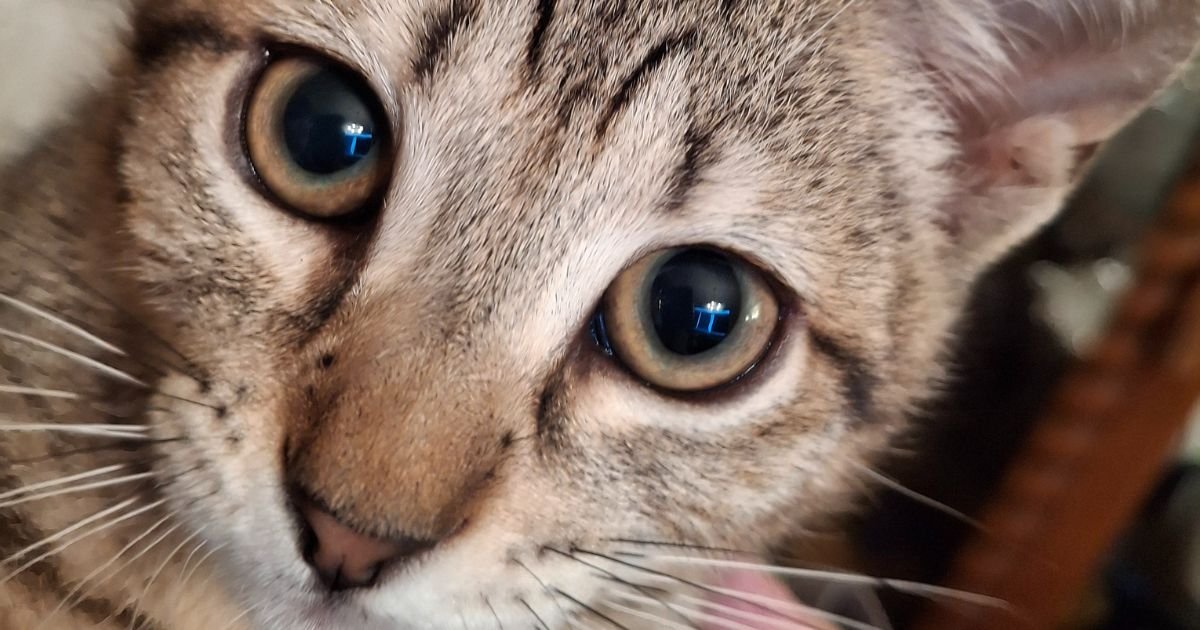
So: Let’s get real (and a little fuzzy). I decided to write my first blog post about mistakes through the eyes of Finnegan, the new kitten who’s somehow become my accidental life coach. Or, at the very least, my supervisor in learning how to fall down, get up, and then knock the mug off the table again. (No regrets. Only slightly sticky floors.)
Embracing Imperfection: Why Getting Started Despite Mistakes Matters
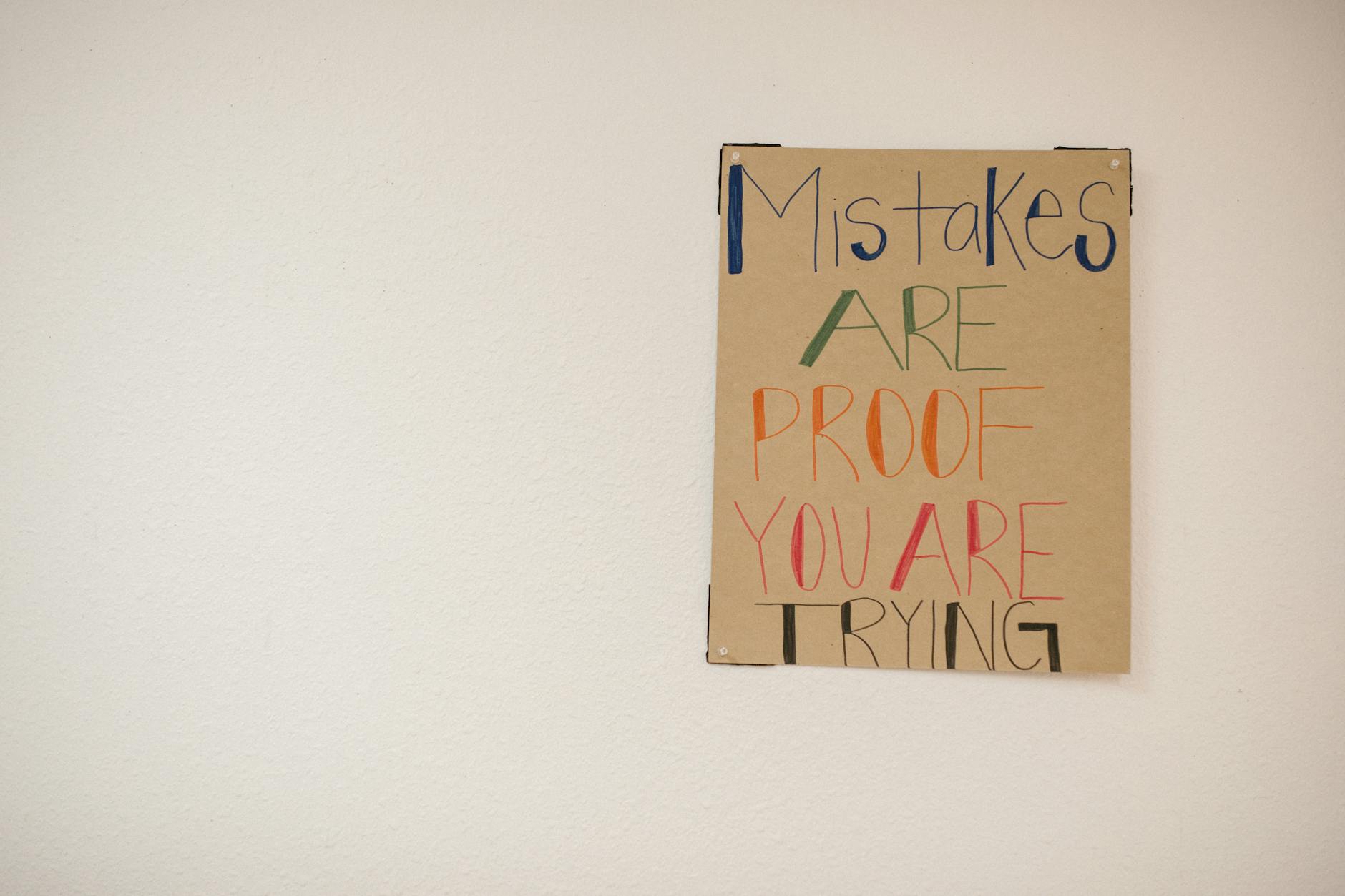 Photo by RDNE Stock project
Perfection is an illusion, right up there with calorie-free chocolate and cats who don’t stare into your soul at 3 a.m. Every creative journey begins with uncertainty, missteps, and, yes, embarrassing errors. Yet this is the price of entry for anything beautiful or authentic. Getting started despite mistakes is not a philosophy just for beginners—it’s a survival skill for anyone who creates.
Self-doubt convinces us that our flaws will outshine our voice. But, as Tiny Buddha notes on growing from mistakes, mistakes are little trophies of progress. They aren’t dead ends. They’re street signs.
Overcoming the Fear of Mistakes
Fear thrives in the unknown. That’s what makes a blank page so intimidating: all that undefined potential, and all the potential ways to mess up.
A lot of writers feel paralyzed by the idea that the first thing they write will say something definitive about who they are. (Cue heart palpitations.) But according to insights from writers facing the fear of failure, the antidote isn’t perfection—it’s action. Put words on the page, even if they come out sideways. Let yourself get it wrong. It’s the only way to get it right.
The Growth Mindset for Authors
If you treat your first post (or your fiftieth) as a test you must ace, you’ll freeze. But treat it as an experiment? Things relax. You breathe.
The idea isn’t to avoid mistakes, but to use them. Each awkward turn of phrase, every moment that doesn’t land—these are opportunities to learn. Or, as one Redditor mulls over learning from mistakes, mistakes serve as feedback, nudging you forward with real-world wisdom.
Real-Life Wisdom From a 7-Week-Old Kitten Named Finnegan
Finnegan, all golden eyes and oversized ears, doesn’t spend a minute worrying about whether he’s using his legs “correctly.” If he tumbles off the couch (which happens every morning), he shakes himself, then leaps higher the next time. Finnegan is my house’s relentless, fluffy metaphor.
He brings reminders you don’t find in self-help books. Or not with quite as much fur stuck to your sweater.
Lessons in Curiosity and Courage
You ever watch a kitten meet a ceiling fan? Every sense is on high alert—terrified, enchanted, incapable of not investigating. This is how Finnegan approaches the universe. He tests, he pounces, sometimes he runs straight into the wall, and then…he tries again.
Writers could use a little of this. Curiosity—the good kind, the nose-in-all-the-boxes kind—keeps writing interesting. Courage, meanwhile, is what gets you back to the desk even when yesterday’s words make you cringe.
Finding Joy in the Process
Finnegan does not care about what other cats think of his technique. He finds joy in every lopsided leap, every stretch, every botched pounce. He isn’t writing blog posts, but he’s living the process with sheer, wriggling delight.
Being present (even when the result is flawed) lets you harvest real happiness from creative work. That’s what lasts, long after the anxiety is gone.
Actionable Steps for Creative Authors: How to Start Writing Now
Think of your first post as practice, not an audition. You have nothing to prove. The best writers you know—including the very ones you admire—began the same awkward way. Here’s how to ease in and, more importantly, keep going.
Simple Habits to Build Writing Confidence
-
- Write every day—briefly. Even fifteen minutes counts.
-
- Keep an “idea notebook.” Catch odd phrases, scenes, or feelings.
-
- Celebrate tiny wins. Finished a paragraph? High five in the mirror.
-
- Talk to yourself kindly. Inner critics are exhausting.
You might want some advice on dealing with the fear of making errors as you begin. Over on Quora, writers share thoughts on how to stop letting fear keep you from writing, and the consensus is: allow yourself privacy and imperfection while you practice.
Turning Mistakes Into Milestones
A secret: “Mistake” is just another word for “memory.” When you look back on your earliest work, you’ll see progress in the jagged lines—not just in the polished ones.
Try this:
-
- Keep your first draft. Resist the urge to delete it.
-
- Once you finish a post, jot down two things you learned.
-
- Once a month, reread old posts. Notice the growth.
-
- View criticism (yours or others’) as information, not judgement.
Let mistakes be little signposts of where you’ve been. It’s how your voice gets stronger.
Conclusion: Starting Is Winning (Even If It’s Clumsy)
The scariest part of any journey is the first step—especially when it’s public, imperfect, and out of your comfort zone. With enough patience (and more coffee than is wise), creative authors can let go of perfection long enough to discover something better: momentum and self-trust.
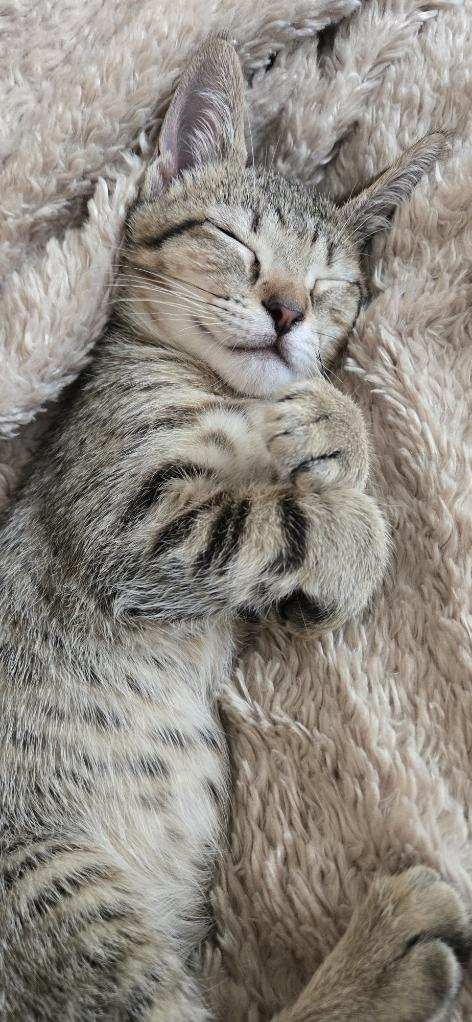
Remember Finnegan? He’s asleep now, all paws and purrs, dreaming of the next wild thing he’ll try. Maybe he’ll leap onto the bookshelf. Maybe he’ll fall. But he’ll get up, regardless.
So—start now. Let yourself be awkward, unsure, wildly honest. Write the post with the reckless, joyful energy of a kitten. Getting started despite mistakes is the only way your story—your real story—ever gets told. And that’s worth every stumble.


One Response
My partner and I stumbled over here coming from a different web
page and thought I should check things out.
I like what I see so now i’m following you. Look forwqrd tto finding
out about your web page for a second time.