
Trust, Communication, and Growth for Stronger Writing
Every great piece of writing starts with a strong author-editor partnership. When authors and editors work together, each brings fresh perspective and practical expertise to the table. It’s not a one-way street. The author-editor partnership lives in the space between guidance and respect for the author’s unique voice.
A good author-editor partnership opens the door to clearer, more credible, and more meaningful work. Collaboration builds trust, sets honest expectations, and smooths the path to publishing success. Even the most celebrated authors know their best work comes from constructive editing and frank, kind feedback.
No matter if you write professionally, academically, or for the joy of storytelling, embracing this partnership makes the writing process less stressful and more rewarding.
Does This Really Matter?
I’ve been an author as well as an editor. I work hard to be the editor that I want when I’m the author. Those who know me personally are fully aware that I have pretty strong opinions about how editors ought to treat authors. And I’ve been taken aback by how often, in professional situations, my responsibility for the words under my byline have not been respected. So, yes. Yes, this really matters.

This guide breaks down what makes the author-editor partnership work and why that matters, whether you’re crafting a book, preparing an academic article, or tightening up a business report.
Let’s Understand Exactly What Is the Author–Editor Partnership
The author-editor partnership is a working relationship that shapes every stage of the writing process, from first draft to final, polished copy. It isn’t just about fixing grammar or suggesting new words; it’s a collaboration built on conversation, trust, and mutual respect. When both author and editor engage with care and openness, the results are rewarding: stronger messages, less stress, and writing that lands with readers.
A Partnership, Not a Hierarchy
The most productive author-editor partnerships grow from true equality. Editors don’t just “correct” writers.
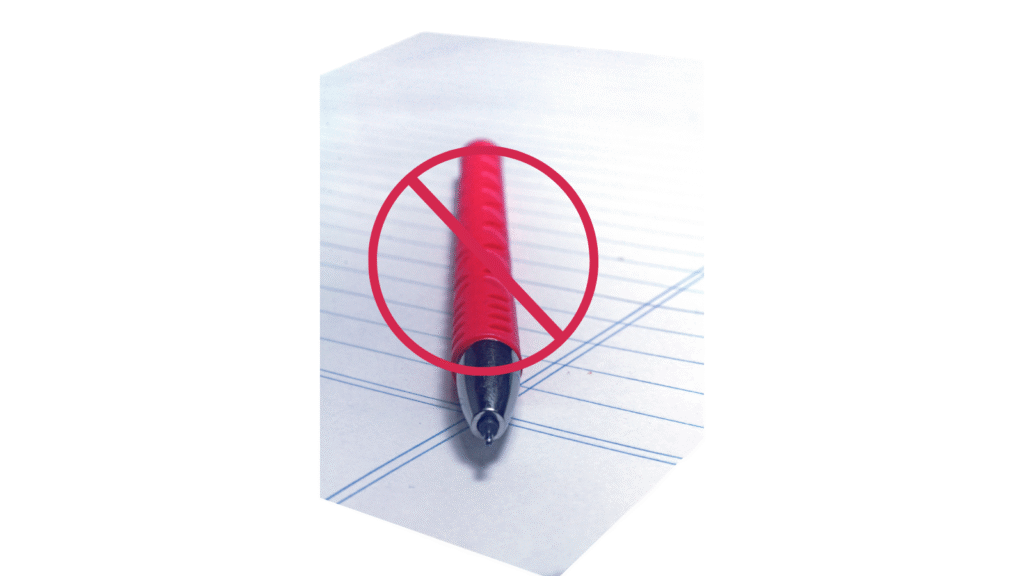
Instead, editors serve as thoughtful readers and expert guides who help bring out the writer’s ideas as clearly and convincingly as possible. Likewise, authors are not just passive recipients of feedback; they bring vision, voice, and subject expertise to the table.
Think of it like a two-person relay. One carries the baton for a while, then hands it off; together, they cover more ground than either could alone.
Core Qualities of a Strong Author–Editor Partnership
Here are the qualities that set the best author-editor teams apart:
- Open Communication: Both parties share expectations and preferences early. No guesswork. This cuts confusion and keeps feedback on track.
- Mutual Respect: Authors value the editor’s technical skill and insight. Editors honor the author’s voice and experience. Respect flows in both directions.
- Clear Roles: Editors clarify what kind of editing they’re offering—developmental feedback, line edits, or final proofreading. Authors are clear about their goals and concerns for the piece.
- Trust: Each person believes in the other’s commitment to stronger writing. Trust keeps criticism constructive and conversations easier.
For more ideas on how these qualities transform the editing process, check out these observations on Good Author-Editor Relations. It’s a short, pithy commentary meant to put everyone straight.
Active Collaboration in Practice
A good author-editor partnership means decisions get made together. This doesn’t mean always agreeing, but it does mean
- Editors ask clarifying questions when something’s unclear.
- Authors explain their intentions, not just react to changes.
- Both are open to suggestions and can explain why a choice works or falls short.
In practice, this collaborative spirit creates a safe space where feedback is welcome. Authors feel heard. Editors feel trusted. And the finished work benefits from both sets of eyes and minds.
Working well together isn’t always instant, either. Like any team, there’s sometimes a getting-to-know-you phase: understanding each other’s working style and finding that shared rhythm.
Why the Partnership Matters
In any writing—academic, creative, or professional—the author-editor partnership changes outcomes. It’s the difference between feeling supported or rushed, between a draft and work ready to share with the world. When authors and editors move in sync, manuscripts shine, and writers grow in confidence and skill.
A positive author-editor partnership is about more than individual edits. It’s about building a process (and a set of skills) that both partners can carry forward to future projects.
Key Ingredients of a Successful Author–Editor Partnership
A strong author-editor partnership can turn what feels like an obstacle course into a shared walk through the creative process. When both people bring their best selves, the experience feels less transactional and more like a true partnership. Let’s look at the essential qualities that keep this collaboration positive and productive for everyone involved.

Photo by Ron Lach
Trust and Openness
Trust gives the author-editor partnership staying power. Without it, feedback feels personal, and edits become a minefield. With it, both sides can say what needs saying without each word feeling like a risk. An author who trusts his editor relaxes into feedback, and an editor who trusts her author feels safe suggesting bold changes. Honest questions, explanations, and even a “let’s try this differently” build a rhythm that carries the project forward.
A practical tip: Always explain edits and invite the other person in. Editors who clarify choices start a conversation, not an argument. Authors who share their why and what-if make editing a two-way street.
Clear Communication
If trust is the glue, communication is the bridge. Discuss intentions and concerns early, not after drafts pile up. Good communication keeps everyone on the same page and helps manage surprises. Many successful writers and editors use scheduled check-ins, shared documents, and even quick status notes to keep the collaboration running smoothly.
Remember: Over-communicating is much better than guessing. When in doubt, say it out loud or write it down!
Respect for Each Role
Mutual respect forms the solid ground where healthy creative tension can happen. Editors need to respect the author’s subject knowledge and original voice, while authors need to appreciate the editor’s technical and practical skills. It’s all about the right balance—challenging each other enough to grow, but not so much that trust cracks.
Flexibility and Patience
Writing can be unpredictable (like herding cats). Shifting deadlines, rewrites, and new ideas are normal. The best author-editor partnership build in space to adapt and recover when things veer off plan.
Here are a few ways to make flexibility work in your favor:
- Agree on priorities early, but keep them loose enough for surprises.
- Use timelines as guides, not shackles.
- Check in about pace and workload, especially if either person’s schedule shifts.
Shared Goals and Vision
The most rewarding editing partnerships feel like rowing a boat together: different oars, one clear direction. When authors and editors set shared goals, it’s easier to keep moving forward, even if the current gets strong.
Set clear objectives:
- What does “done” look like for this project?
- Are we aiming for publication, clarity, or something else?
- Is there a non-negotiable for either side?
When goals align, decisions get easier and momentum grows.
A Sense of Humor and Perspective
Every project runs into bumps. A little humor and a willingness to step back for perspective go a long way. A laugh or a gentle nudge reminds both author and editor that it’s the words (not the egos) that matter most. It turns revision sessions into honest, human conversations rather than power struggles.
more collaborative and less stressful. Whether you’re polishing a manuscript or fine-tuning a research paper, these qualities keep everyone rowing in the same direction—making the author-editor partnership as productive as possible.
Finding and Choosing the Right Editor
Finding the right editor is one of the most important steps to a healthy author-editor partnership. The editor you choose will shape not just your current project but also the experience you have throughout the editing process. It pays to be thoughtful, practical, and a little curious. Whether you write books, academic papers, or business content, your editor should be someone who values your work, communicates clearly, and has skills that match your needs. Maybe not someone you grab off a cheap internet work platform. After all, you don’t expect craftmanship from TaskRabbit.
Choosing wisely can take a weight off your shoulders. It’s not only about polished prose but about building trust, smooth communication, and the confidence to grow as a writer. Here’s how to make sure this match sets everyone up for success.

Photo by Ron Lach
A successful author-editor relationship is a partnership. The smoother the start, the smoother the finish. Here are practical steps to prepare for a strong collaboration. Positive expectations should be set from the very first email.
1. Get Clear on Your Project Goals
Spend a little time before you approach an editor to identify your true goals. Do you want big-picture feedback, or is your focus on clean grammar and typos? Are you hoping for candid critique, gentle coaching, or a mix of both? Being clear now will help you match with an editor who thrives in the areas you care about most. For a deeper understanding of the differences between editing types, review this breakdown of copyediting vs line editing vs proofreading.
2. Research and Evaluate Editors Thoughtfully
Don’t just pick the first name you find or the lowest rate on the list. Take your time and look around for a good fit. Look for editors with experience in your genre or field (like nonfiction, literary fiction, or academic writing). Read testimonials, ask for sample edits, and pay attention to how editors communicate with you. Experience with people matters, and a strong editor will
- Offer clear service descriptions
- Share recent work or references
- Communicate warmly and professionally
Many editors gladly provide a sample edit to showcase their style and approach. Use this as a “chemistry check.” Is their feedback useful? Does their tone match what you want?
3. Communicate Needs and Concerns Openly
When you reach out, let your editor know what you’re looking for and what worries you. Are you nervous about losing your voice? Unsure about structure? Want help with character arcs or technical accuracy? Share these up front. The more direct you are, the better your editor can tailor their work to suit you.
4. Respond Promptly and Respectfully
Timely replies help the process move forward. If an editor asks questions or requests clarifications, reply as soon as you’re able, even if you need more time to think. Respect for each other’s time lays the groundwork for mutual trust.
5. Stay Specific with Feedback
Throughout the process, tell your editor what suggestions or edits worked for you and what didn’t. Instead of “I don’t like this,” try “This feels off because the tone gets too formal” or “Can we find a way to keep this example?” Specific feedback creates a stronger draft and less frustration for both sides.
6. Maintain an Open Dialogue
Editing works best as an ongoing conversation, not a hand-off. Set regular check-ins or milestones. Use shared documents, comment features, or old-fashioned email—whatever works best for both parties. Leave room for honest questions and suggestions from both sides.
To see more advice to editors on how to treat their authors, look at Building strong author-editor relationships through collaborative editing.
Strong collaboration isn’t magic—it’s a string of small, practical steps that build big results: trust, respect, and finished work you can stand behind.
Learning from the Editing Process

Editing is more than a series of corrections; it’s a steady dialogue that shapes both writer and editor. Every revision is a new look at your work through a trusted partner’s lens. If you treat each round of edits as a lesson, you’ll build confidence, sharpen your style, and deepen mutual understanding in the author–editor partnership. Let’s break down what this means in practice and how you can get the most learning and growth from each pass.
Notice What Changed and Why
It’s easy to skim through tracked changes and feel a twinge of worry. Don’t rush that moment. Take time to see not only what was adjusted, but also why. There’s gold in the details, and the best editors will explain what they are seeing.
- Watch for patterns. Are you slipping into passive voice or wandering from your main point?
- Celebrate lines that survived every draft. They’re your sturdy bones.
- Make notes about suggestions that surprised you. Often, these are the spots that spark the most growth.
When you reflect on edits with curiosity, rather than just acceptance or resistance, you develop a toolkit. As you spot repeats and themes, your future drafts become cleaner from the start.
For practical tips on this process, explore how to handle editing and feedback on your novel for step-by-step advice on translating feedback into stronger writing. The best quote from that bog is “A professional edit represents an extended engagement with a professional writing coach”.
Turn Getting Feedback into Skill
Feedback can feel personal, but it’s really a map to a better draft. Find the small improvements hiding in big suggestions. For example, if your editor explains a confusing transition, try writing a new one using their notes and see how it feels. If it feel okay, then practice it in other spots.
Simple ways to make feedback work for you:
- Break feedback into a checklist.
- Experiment with one change at a time instead of a full rewrite.
- Ask yourself, “What skill is this edit helping me build?”
This step-by-step approach turns what could feel like criticism into actionable, bite-sized wins. Editors who give clear, respectful direction help writers learn faster; and writers who ask questions keep the flow open. If you’re building this feedback rhythm, check out this view from both sides of the typewriter: editing feedback writers actually appreciate.
Build a Feedback Rhythm
A steady back-and-forth keeps the author–editor partnership resilient and low-stress. Set short and frequent check-ins that are two or three key points per round, not laundry lists. Use document comments for flagging small issues, and email or chat for bigger ideas.
Here’s how to make it easy:
- Set a recurring time to review feedback, such as weekly or by section.
- Include space for both parties to leave questions, not just edits.
- End each round with a recap: “What worked best? Where did we stall? What’s next?”
Writers and editors who keep a regular feedback rhythm don’t just finish projects—they grow new skills along the way together.

Why the Process Matters for All Writing
Every step you take to learn from feedback builds trust and flow in your author–editor partnership. Whether you write academic papers, business reports, or fiction, this learning keeps you moving forward without overwhelm. Small steps, repeated, turn being edited from a hurdle into a habit.
When editors and writers respect every editing round as a two-way learning session, everyone’s work gets better, faster, and less stressful. If you want an example of an author and an editor working as creative partners, you won’t do better than Writer and Editor as Creative Collaborators. A strong author–editor partnership lives in these lessons, moment by moment, revision by revision.
Finnegan, the Silver Tabby: Lessons in Muscle, Movement, and Trust
A Quick Interlude: Finnegan, the Silver Tabby
Finnegan is my silver tabby kitten, nimble, compact, and built like a spring. At just a few months old, he’s all muscle, built for jumping bookshelves in a single bound. Every movement is precise, powerful, and—when he finally settles—an act of complete trust. He’s all muscle with not an ounce of fat, darting through the room with bursts of focus, then sprawling in the sun for a well-earned rest. Sometimes, writing feels a lot like trying to keep up with Finnegan. There’s concentrated energy, a need for play so that everyone can sleep tonight, and a reward for pacing yourself. Bring some of that finicky, playful curiosity to reading your edits, and soon each draft will show its strength right beneath the surface.
Strength Below the Surface
When I lift Finnegan, he feels heavier than he looks. Not because he’s big, but because every bit of him is dense with muscle and energy. Young writers (and yes, seasoned ones, too) often forget that clear writing comes from building the basics. Like Finnegan’s core strength, a good author-editor partnership gives your work a solid foundation. You don’t see the process muscles under the fur, but you feel the results: clean prose, easy movement from idea to page, confidence in every line.
- Trim, not thin: Finnegan isn’t skinny; he’s strong and tight, with no wasted effort. Edits should work the same. Editors help trim what’s not needed, strengthening your message instead of weakening it.
- Every move has a purpose: When Finnegan springs into action, nothing is casual or thrown in “just to see what sticks.” In editing, every note, comment, or tracked change has a clear goal.
- Rest and play matter: After a burst of energy, Finnegan flops in a patch of sunlight. Writers and editors also need time to reflect, reset, and sometimes play with ideas that take the work in new, better directions.
Movement as a Kind of Conversation
Watching Finnegan leap and land, you see pure, responsive movement, always adjusting to the environment. The best author-editor partnerships work this way, too. Instead of rigid routines, both partners flex and adapt as the manuscript shifts. When edits bounce your words in a new direction, treat it as a sign to try something different. Sometimes the best changes come from that quick, unexpected leap.
- Feedback flows: Strike a balance between actively shaping your text and pausing to let feedback in. Like a cat testing each jump, try edits, see how they feel, and adjust again.
- Safe to land: Finnegan knows he can trust the space (and the people) around him. Writers need the same: a partnership built on openness, where every suggestion is given and received in good faith.
Building Trust, One Purr at a Time
When a kitten lies on your lap and purrs, he’s showing trust. It feels earned, not assumed. In the author-editor partnership, trust isn’t automatic either. It grows through little actions: honest feedback given gently, voice respected, intentions made clear. Over time, many small moments of “I hear you” and “Let’s try it” add up, so both partners relax and bring their best work forward.
What Finnegan Teaches About Editing
Writers and editors don’t have to be mind-readers (or feline acrobats). But keeping a little bit of kitten wisdom in the room helps everyone move with more trust and less tension. Strong basics, playful curiosity, and small habits of trust are what let you leap further together. In the author-editor partnership, these are the real muscles behind every polished page.
FAQ: Building Trust
Start by talking openly about expectations and goals. Share your vision for the work, your process, and any deadlines you have in mind. Ask your editor how they like to give feedback and how often you should check in. Clear communication early on helps avoid surprises later.
Editors want you to be clear about your goals, open to suggestions, and responsive when they reach out. They hope you’ll share concerns or questions right away, so problems don’t linger. Meeting deadlines matters too.
Ask your editor how detailed they plan to get. If their notes feel overwhelming, say so and work out a pace or format that feels right for you. Good editors listen as well as guide.
Say so!!! Explain why a certain word, tone, or detail matters. The best editors want to hear your reasoning. Most are happy to talk things through and might even offer a compromise.
Set mini-deadlines for each part of the process. Let your editor know if you’re running late or need help with a tricky section. Editors appreciate honesty. Try to keep momentum so the project keeps moving.
Definitely. If you prefer light comments over page-by-page notes, just ask. Share examples of feedback that worked well for you in the past. Editors can adapt their approach within reason.
Talk about comfort zones at the start. If certain topics are tough, let your editor know. Editors should treat your work with respect and avoid making personal judgments.
Yes, but don’t aim for perfection. A quick read-through to catch big errors helps. Editors expect rough patches, but a bit of polish makes their job easier and saves everyone time.
Ask which tool works best for both of you (Google Docs, Word with Track Changes, or something else). Make sure you both know how to use the chosen system. This keeps edits clear and avoids confusion.
Look for someone with experience in your field or genre. Ask for sample edits or client feedback. Some editors offer short trials. Personal style and communication matter as much as credentials. If you feel comfortable from the start, that’s usually a good sign.
Conclusion
A healthy author-editor partnership is built on trust, open communication, and real respect for each person’s skills and goals. This connection does more than polish a manuscript. It supports growth, lowers stress, and helps writers develop their own confidence and style.
If you’re looking to strengthen your writing, seek positive partnerships with editors who value clarity and honest feedback. Every strong editorial partnership becomes a stepping stone for better, braver work in the future. For your next project, try setting practical goals together, like aligning on editing priorities or planning regular check-ins, to encourage smoother, less stressful teamwork.
Thank you for reading. If you want more tips on editing choices and stress-free collaboration, explore the guides on this blog. Your work, and your voice, deserve the best possible support.
Thanks for reading — here’s to clearer writing and stronger ideas.
~~ Susan